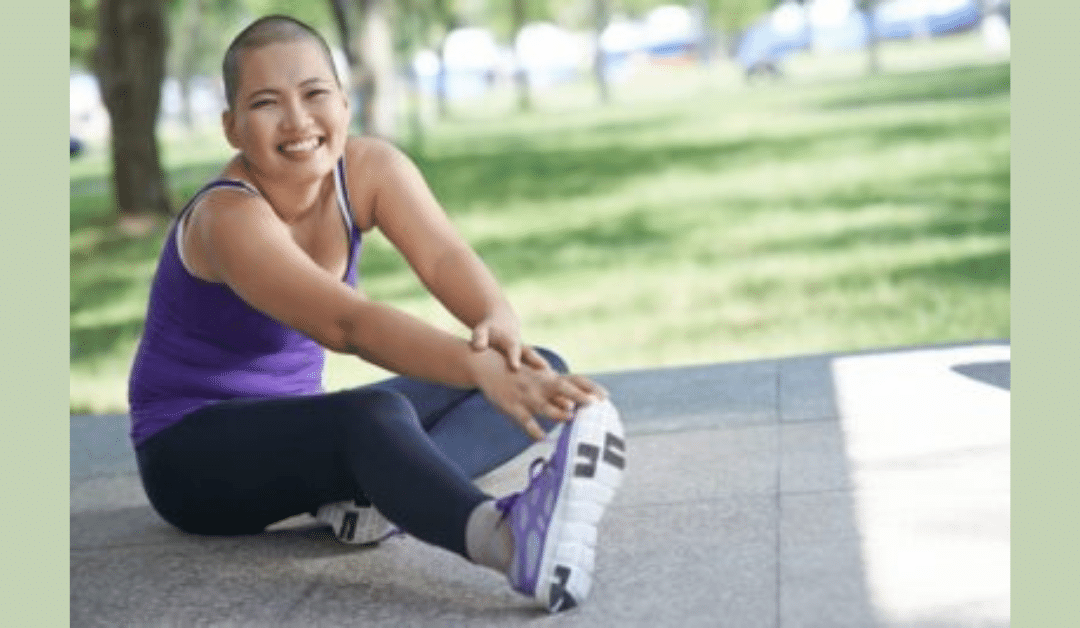
Physical Activity Can Make a Difference
 We are told over and over again about the benefits of physical activity, but many of us find lots of excuses not to do it, or not to do it consistently anyhow. Kudos to the many rockstars that embrace it and engage in some sort of activity on a consistent basis – please motivate us! Physical activity impacts many aspects of our lives and can help improve your mood, your sense of well-being and improve endurance while helping with depression and fatigue. Studies suggest that physical activity may help to prevent/reduce the risk of a secondary cancer later in life and/or lower the risks of other cancers. So, go enjoy the cooler temps of fall and get moving. (If you are in Tucson join Bag It for our annual Take a Hike at Catalina State Park on October 27th) Physical activity includes walking, swimming, cycling, gardening and other activities that keep you from sitting or remaining sedentary for long periods of time – even dancing! It is always important to consult with your healthcare team, especially if making major changes to your activity or if you are in or recently completed (cancer) treatment. This doesn’t mean you can’t move and research shows that physical activity during and after treatment can actually help. Talk with your doctor and other healthcare team members about your physical activity. They can provide guidance and help you find exercise resources.


What type of activity should I do? How often and for how long?

Is it safe to exercise during cancer treatment?

Should I avoid certain exercises?

What resources are available to me?


 to organize what you need to bring and discuss, where and when you are going.

 Most of us immediately want to search online when facing a cancer diagnosis. The internet can be a good source of reliable and helpful information. At the same time, unfortunately, fake medical news and misinformation spreads further than the truth – and can lead to serious consequences.

 Ten minutes tops. As it turned out the forms were incomplete when we were called into the exam room 45 minutes later. The MA filled in some of the gaps. The kind doctor confirmed the cancer diagnosis, specifying the location, stage and grade of the tumor. It was described as an “aggressive” cancer, and surgery was necessary. A sentinel node biopsy would determine the extent of the surgery. The need for chemotherapy and/or radiation would be known after the full pathology results were in. The doctor spoke in a straightforward manner that provided the basic facts without much elaboration. Things moved quickly as surgery timing and next steps were discussed. Mary posed one or two questions about post-op home care needs but nothing about her cancer or treatment – she didn’t know what to ask.
 Since then, I think about all the ways Mary could have benefited from receiving a Bag It bag at the initial time of diagnosis or during this early appointment. From the forms, calendars and glossary of basic cancer terms in the navigation binder to the printed pubs with tips on how to prepare for appointments/questions to ask about diagnosis/treatment, ways for patients and families to cope with their diagnosis, how to be an active member of their health care team, and so much more. The Bag It resource center on the website offers more than 150 reliable sites for patients and their families to find credible information and resources right when they need it. Topics include cancer types, clinical trials, side effects, supportive care/emotional support, caregivers and family resources, insurance, and financial assistance, legal rights, advance care planning, and survivorship.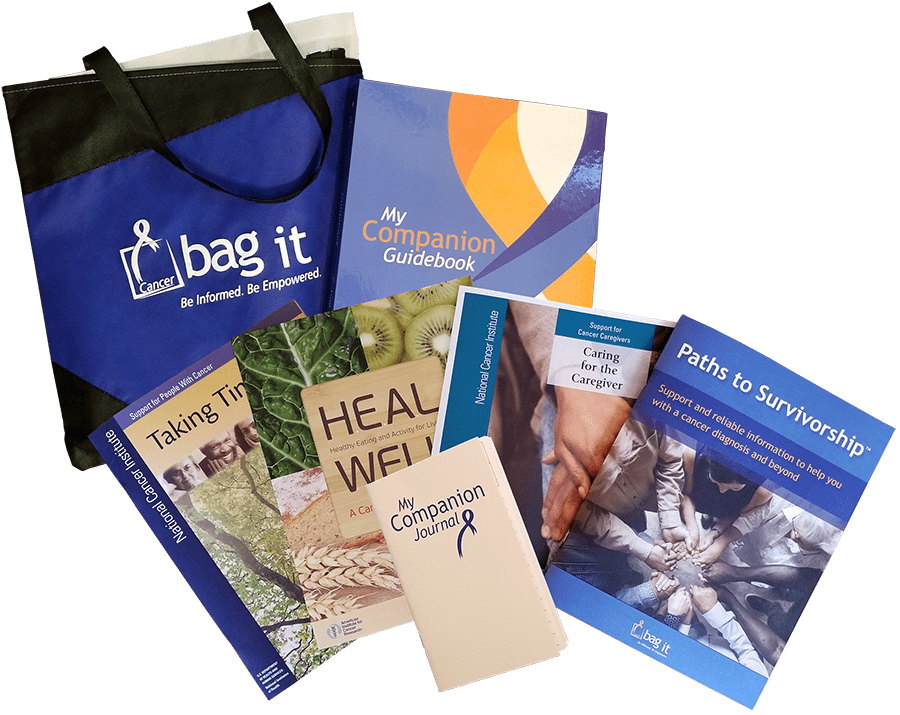

 Self-advocacy is taking a proactive approach to being part of your healthcare team to ensure your needs are met and you are more in control to live your best life possible with cancer. It includes learning how to educate yourself with reliable information, knowing your rights, listening, and asking the right questions to make sound decisions. Being able to clearly communicate with others and feeling comfortable in making yourself heard are important. Reaching out to others when you need help is another form of self-advocacy and self-respect.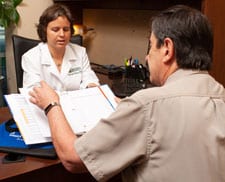
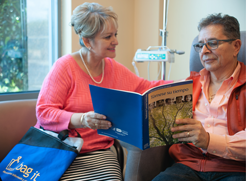 If you were recently diagnosed:
Recent Comments