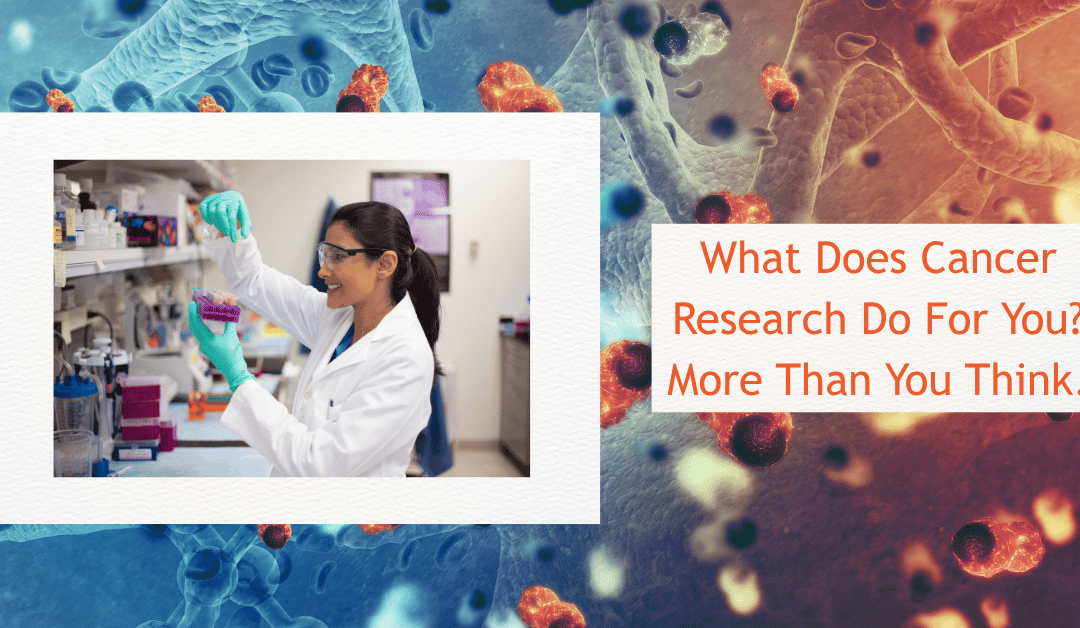
 Cancer research can sound technical, but its impact is very real and personal.
It’s the reason more cancers are found earlier than they used to be. It’s the reason treatments are often more targeted and cause fewer side effects. And it’s the reason many people are living longer after a cancer diagnosis.
According to the National Cancer Institute, cancer death rates in the United States have steadily declined over time, largely due to improvements in prevention, screening, and treatment.
But research isn’t just about labs and scientific discovery—it’s also shaped by people’s lived experiences. Patients and caregivers help guide what gets studied so that care improves in ways that matter in everyday life, including communication, symptom management, and quality of life.
Organizations like the American Association for Cancer Research and the American Institute for Cancer Research play an important role in advancing research and translating discoveries into better understanding, prevention, and care. If you looking for clinical trials, Bag It’s Cancer Resource Center has a section devoted to Clinical Trials.
At Bag It, we see this connection every day. When people have clear, practical information, they are better able to understand their diagnosis, ask questions, and take an active role in their care.
Research creates progress. Education helps people use it.
Small ways you can make a difference
- Talk with your doctor about recommended screenings for your age and risk level
- Ask questions during appointments-even small ones matter
- Support someone going through cancer by listening, checking in, or helping them stay organized
Recent Comments