Learn to Manage Stress In Everyday Life and Challenging Moments
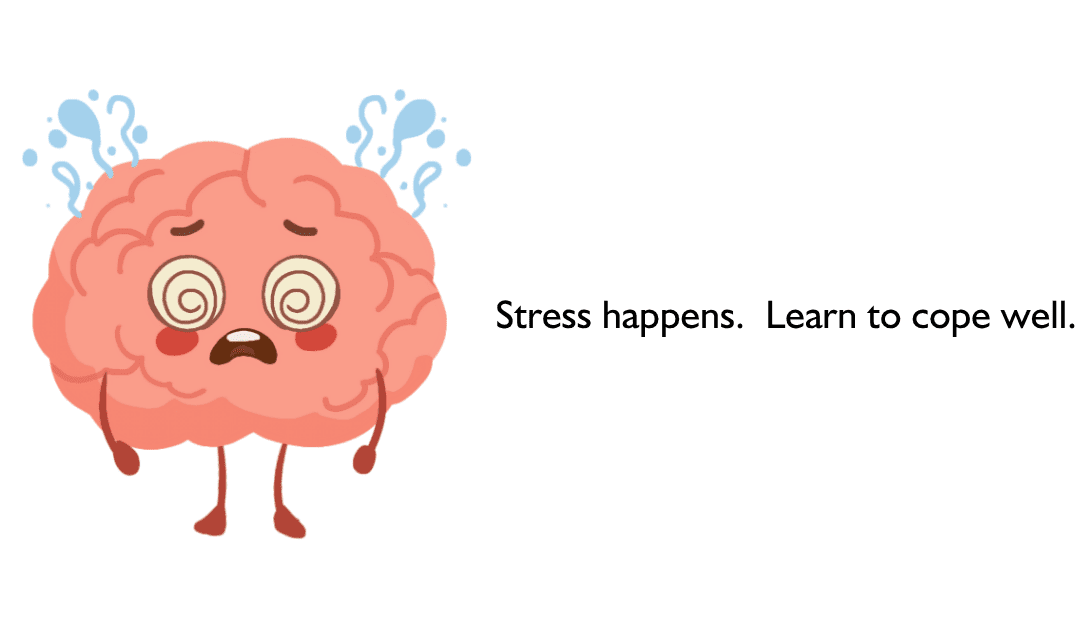
 Stress is something we all experience. Whether it’s work, family responsibilities, health concerns, or simply a busy schedule, it can build quickly and impact both mental and physical well-being.
In fact, according to the American Psychological Association, nearly 3 in 4 adults report experiencing physical or emotional symptoms of stress. Over time, chronic stress can affect sleep, concentration, and overall health—making it even more important to find simple, sustainable ways to manage it.
The good news is that reducing stress doesn’t require a complete lifestyle overhaul. Small, consistent actions can have a meaningful impact. Creating a short daily plan, stepping away from screens, getting fresh air or talking with someone you trust are all simple ways to reset.
A Simple Breathing Exercise to Try
One of the quickest ways to calm your body is through intentional breathing:
- Inhale slowly through your nose for 4 seconds
- Hold for 4 seconds
- Exhale gently through your mouth for 6 seconds
- Repeat for 1–2 minutes
This technique can help slow your heart rate and bring your focus back to the present moment—anytime, anywhere.
Staying organized can also ease stress.
When tasks, appointments, or important information feel scattered, stress often increases. Finding a simple system—whether it’s a notebook, planner, or app—can help create a greater sense of control.
For individuals facing cancer, stress is often compounded by medical decisions, new information, and uncertainty. Research from the National Cancer Institute shows that patients who feel informed and supported are better equipped to cope and communicate with their care teams.
At Bag It, we believe that reducing stress starts with access to clear, practical information. Our educational materials are designed to help individuals stay organized, ask informed questions, and feel more confident during a challenging time.
Learn More About Managing Stress
If you’d like to explore more strategies and tools, these trusted resources are a great place to start:
- American Psychological Association – Practical tips and research on stress management
- Centers for Disease Control and Prevention – Stress and coping resources for everyday life
- National Cancer Institute – Coping with stress during cancer
- Cancer Wellness Center – Learn about the power of connection
How You Can Help
You can make a difference in reducing stress—for yourself and others:
- Share helpful resources with someone who may be going through a challenging time
- Check in on a friend, neighbor, or family member who could use support
- Try one small stress-reducing habit this week—and encourage someone else to do it with you
Because when support, information, and simple tools are within reach, even difficult moments can feel more manageable.
Recent Comments